
RTA and Assembled Cabinets in Ellicott City, MD
Compare assembly requirements alongside cabinet construction and order details.
Send my cabinet inquiry
Or call (562) 203-3232. Calls only, we do not receive text messages.
An Ellicott City buyer comparing RTA and assembled cabinets should ask whether the project can support the remaining work of each option. Ellicott Cabinet Archive’s guide evaluates instructions, completeness and staging before treating a format difference as a budget decision. Actual product evidence matters more than a general claim that either format is always better.
- Independent buying guidance
- Product inquiries
- Seller availability confirmed separately

Buying questions: rta and assembled cabinet buying
The Archive is an independent information resource. Submitted inquiries are recorded for owner review, without automatic seller contact or a promised answer. Use this guide to identify the goods and tasks a real seller or separately engaged assembler would need to describe.
About Ellicott Cabinet Archive
Know who handles each part
Independent cabinet buying information and quote-request service. We do not manufacture, stock or install cabinets. A referral, supplier response, appointment or purchase is not guaranteed. Product availability, delivery and installation must be confirmed directly with the seller or separately engaged contractor.
Ask what the format label leaves unfinished
Request the offered configuration, finish and component information for both options. RTA and assembled describe a supply format, but the actual seller must say what remains separate and what work is required. An assembled box may still have accompanying pieces to identify; flat packages need their own completeness and assembly record.
For a hypothetical buyer ordering a tall storage unit, first establish the intended product and storage function. Then compare the actual versions offered. If one format changes hardware, construction or configuration, record that as a product difference rather than attributing every difference to packaging.
Do not infer a universal material or quality ranking from the format name. Ask for the line’s specifications and relevant documentation. The buying question is whether you understand the proposed goods and the work after receipt, so an apparent format advantage does not hide a feature or responsibility that has not been compared.
Read the particular assembly instructions before assigning labor
For the RTA offer, obtain the manufacturer’s instructions for the exact units. Identify what the responsible assembler needs to consider about components, tools and sequence. A method learned for another cabinet is not evidence that it applies to this line. Ask the actual provider how it would define the work under those instructions.
The supplied IKEA buying guide discusses packaging and installation/delivery conditions in its own Malaysian context. It supports investigating these topics, not importing its service offer or terms into Ellicott City. Your seller must identify the documents and conditions for the offered products.
In the hypothetical tall-unit purchase, the buyer should know who assembles and where the work would occur before approving the format. Keep installation separate unless the provider’s agreement actually includes it. A willingness to put components together does not automatically cover carrying the shipment, removal or final placement in the room.

Plan a completeness check before work begins
Ask for a package list that relates the components to the accepted product schedule. Find out how hardware and accompanying pieces are identified, and what instructions apply to an apparent shortage or discrepancy. A package count should be understood as the seller describes it, not inferred from the number of cabinet positions.
For the tall-unit example, the receiver and assembler may be different people. Give both the accepted references and a clear way to record what has been checked. Ask how a component supplied separately should be matched to the unit so it is not overlooked or mistaken for a missing piece.
Avoid inventing a universal deadline for reporting issues. Obtain the actual seller’s process and preserve the relevant identifiers and observations. This check is a practical step before committing assembly labor, not a guarantee that every package is complete or that a particular remedy will be offered if something is wrong.
Compare staging and movement for the actual offered goods
Obtain package and assembled-unit dimensions before judging the route. Describe the relevant openings and turns at the actual property and identify who confirms them. Where a property contact controls receiving, obtain its instructions rather than assuming access from a community label.
A flat-package option may need a space for assembly and interim component storage. An assembled option may require different movement and holding arrangements. Compare those actual tasks instead of calling one format automatically suitable for a narrow or wide route. Keep separate pieces in the same investigation.
For the hypothetical unit, identify whether assembly occurs near receipt or later in the intended room. Each arrangement can change who handles the goods and which route needs checking. Ask the providers involved to confirm the scope they would consider. The format choice should explain its staging consequences rather than leaving them to be discovered after purchase.
Compare cost with labor and handling assigned
Use identifiable quantities and box configurations, finish selections and accessories in both offers. Obtain actual freight or pickup inclusions and any carrying arrangement. If assembly is external, request its provider’s own scope and price. External installation and other project labor should remain separately described.
The FTC’s supplied guidance about written home improvement estimates supports comparing work and materials. It does not establish assembly costs or a seller’s labor service. Ask whether completeness checking, staging or later movement belongs to the proposed work, and identify any task appearing in neither agreement.
Initial estimates can change; the final written quote should define the offered price and inclusions for the chosen format and product version. In the tall-unit example, an unpriced assembly or handling task must stay visible when totals are compared. Do not count a difference in cabinet price as a confirmed saving before the remaining work has actual terms.
Choose the format on documented products and responsibilities
If construction certification matters, request evidence for the exact offered line. KCMA’s source identifies a recognized kitchen and vanity performance and construction standard; it does not certify every RTA or assembled product. Keep any seller claim linked to its product documentation.
Review the receiving, completeness, assembly and installation boundaries together. Name the purchaser who accepts the goods and the people performing the remaining tasks. If the format choice changes, update the package record and relevant agreements rather than keeping instructions for an earlier option.
A useful inquiry can describe the intended tall storage product and the particular labor or staging question you need answered. The record does not have to rank all cabinets by format. It should show why one actual offer better fits the buyer’s verified arrangement and agreed responsibilities, with product, cost and receiving uncertainties identified until their responsible sources supply answers.
Inquiry process
From buying questions to a possible supplier quote
Sending an inquiry does not reserve products or book work.
Describe the purchase
Include project ZIP, room, approximate cabinet list and preferred timing.
Clarify requirements
Identify assembly, access, measurements and any separately arranged labor.
Confirm referral availability
An inquiry can be referred only if a suitable seller accepts the location and product request.
Review seller terms
Confirm the final drawing, itemized price, payment, delivery and return terms directly before ordering.
Illustrative product choices
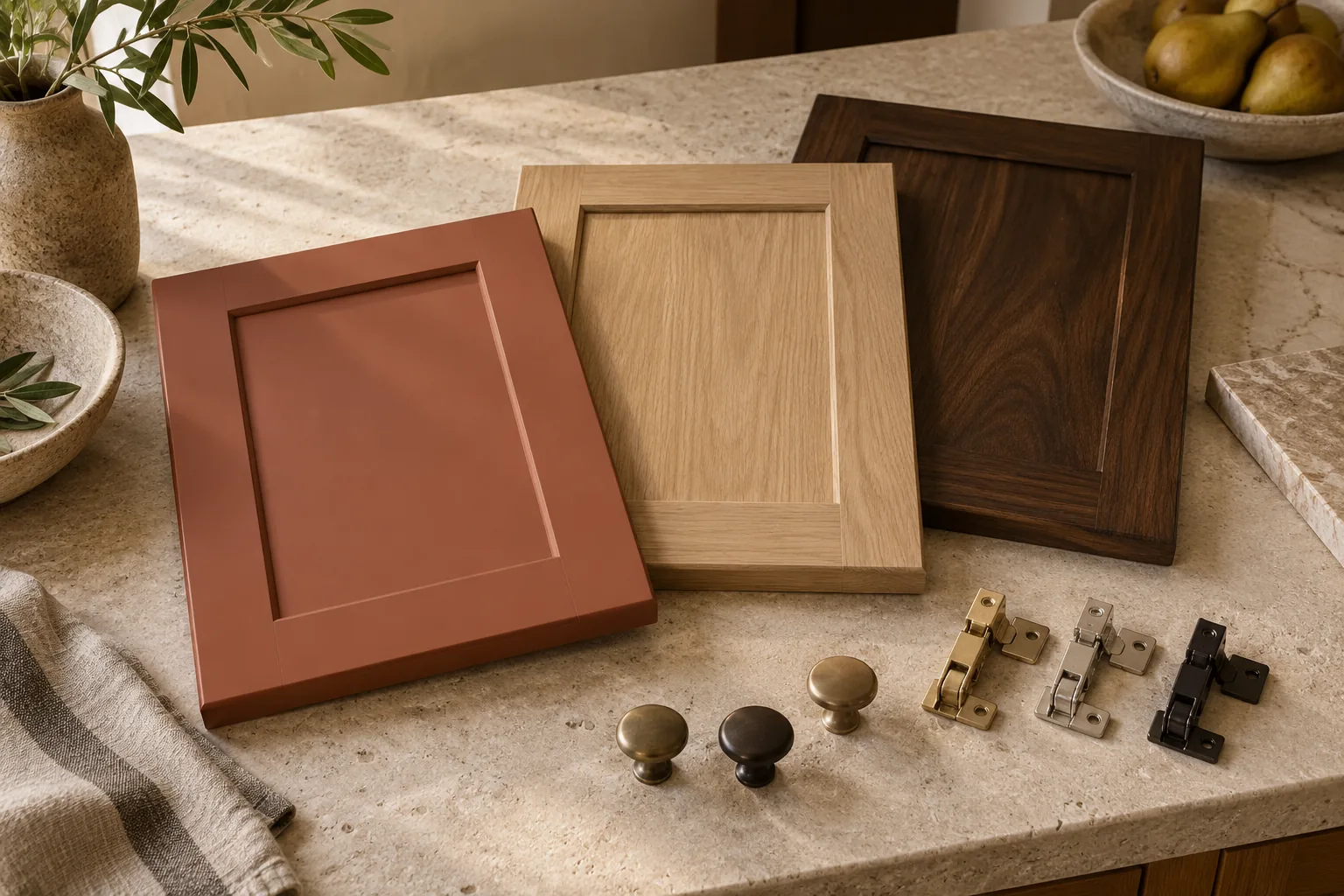
Illustrative product visualizations, not completed work, local properties or supplier facilities.
Local buying information
Local inquiry guides
Questions
RTA and Assembled Cabinet Buying: Common Questions
Why read assembly instructions before comparing totals?
They describe the remaining work for the actual offered units. Identify the responsible assembler and its scope under those instructions. A product-price difference cannot be treated as the full comparison while required work, staging or handling remains unassigned.
How should two people share the completeness check?
Give the receiver and assembler the accepted product and package references and record what each has checked. Obtain the seller’s discrepancy instructions. Separate components need a clear association with the unit so a later worker can understand the receipt without guessing.
Does a tall unit favor either packaging format automatically?
No general format conclusion follows from its category. Compare the actual package or unit dimensions, route, staging and remaining work. The selected product and property arrangement should determine which option is suitable, not an assumed rule about all tall cabinets.
What certification question belongs in this comparison?
Ask what evidence applies to the exact offered line and claim. A performance standard is a useful reference but does not certify an unidentified product. Keep the documentation with the chosen goods so a later substitution requires its own evidence check.
Talk to us about rta and assembled cabinet buying
Describe the purchase and project ZIP in Ellicott City. Supplier acceptance and any referral are confirmed separately; no visit or quote is booked by this form.
Calls only, we do not receive text messages.