
West Friendship · Elkridge
Cabinet Buying in Historic Ellicott City, MD
Bring your project details together before considering a cabinet purchase.
Send my cabinet inquiry
Or call (562) 203-3232. Calls only, we do not receive text messages.
A cabinet purchase for Historic Ellicott City needs an address-based receiving record, not an assumption drawn from the area’s history. Ellicott Cabinet Archive’s guide helps you connect the seller’s proposed handoff with the current route to checking and storage. It also separates cabinet goods from broader property work that could affect the room.
- Independent buying guidance
- Product inquiries
- Seller availability confirmed separately
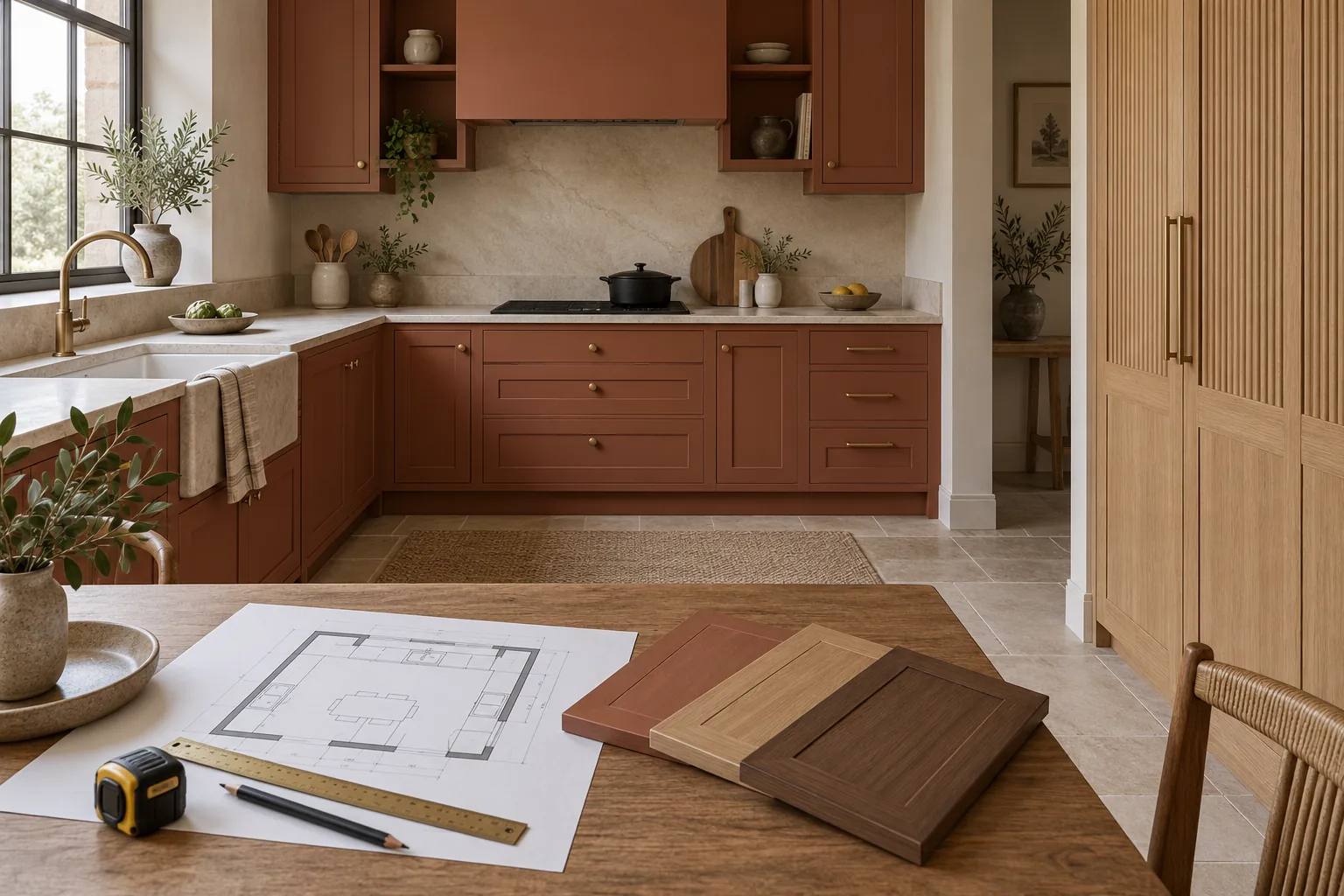
Cabinet purchase preparation in Historic Ellicott City
The Archive supplies independent information. The owner reviews details recorded through its form, without automatic seller forwarding or an assured response. Gather the actual route and room evidence before treating a local plan or an attractive product proposal as proof that the order is ready.
About Ellicott Cabinet Archive
Know who handles each part
Independent cabinet buying information and quote-request service. We do not manufacture, stock or install cabinets. A referral, supplier response, appointment or purchase is not guaranteed. Product availability, delivery and installation must be confirmed directly with the seller or separately engaged contractor.
Use the watershed plan to frame an actual-property investigation
Howard County’s watershed master-plan page describes a long-range, community-driven plan for historic Ellicott City and the Tiber Branch watershed. It integrates flood mitigation, community character, transportation and parking. Those are community planning subjects, not findings about the buyer’s individual property.
Use the address to investigate the conditions relevant to your proposed purchase. Do not infer flood exposure, a cabinet review rule or a receiving restriction from the plan’s scope. If the broader work raises a property requirement question, present the actual project to the appropriate authority or responsible professional.
For a hypothetical buyer replacing storage while retaining the room boundaries, the practical first task is a current room and receiving record. History can help explain why an area has its own guide, but the buyer’s order still needs its own measurements, product information and agreements. Keep those sources separate so the community context does not become an unsupported statement about the home.
Name the current handoff and the person who confirms it
Ask the actual seller to define its offered receiving point and the responsibility covered by delivery. Then identify who controls the proposed location and who accepts the goods there. A general promise to deliver does not explain carrying, checking or storage beyond that handoff.
Record any address-specific instruction from the responsible property contact. Where relevant, ask about the current unloading arrangement rather than assuming one from the plan’s transportation topics. If a proposed point is uncertain, state the uncertainty before the shipment arrangement is accepted.
In the hypothetical replacement, the buyer may investigate whether the seller’s handoff leaves goods needing separate onward movement. That task should have a responsible provider or agreed buyer arrangement. The guide does not assume a narrow street, difficult grade or parking restriction; it asks the people controlling the actual address to supply the conditions the offered goods would encounter.
Check relevant route features with product dimensions
Obtain the package or assembled-unit dimensions for the proposed products. Describe the route from the handoff toward the place where goods will be checked and held. Investigate doors, turns, stairs or grade changes only where they are part of that route, and identify the person responsible for resolving uncertain conditions.
Photographs show context, while labeled measurements can explain the specific point being discussed. A dimension without a location is difficult to relate to an offered package. Keep the route record and product references together so a later substitution prompts a review where needed.
For the hypothetical buyer, a panel or accompanying piece may have a different handling need from the main units. Include those goods rather than checking only cabinet boxes. This practical investigation does not certify access. It makes the remaining fit or carrying question precise enough for the relevant provider to answer before an arrangement is relied on.
Separate receiving readiness from room readiness
Name the space intended for checking and holding the goods, and obtain agreement from the person controlling it. The room can be ready for a product discussion while its receiving arrangement is still open, or the route can be confirmed while final room inputs need review. Keep those stages distinguishable.
Record retained appliance information and relevant room dimensions as supported by the supplied IKEA US planning guide. Ask who verifies the final drawing. If other property work changes a room condition, identify the dependent cabinet positions and leave them provisional until the responsible party confirms the result.
In the hypothetical replacement, a buyer should not approve shipment solely because the product style has been selected. Ask the seller about its actual scheduling and receiving terms and name the intended receiver. Neither a planning document nor this guide reserves delivery, provides storage or guarantees a change can be accommodated under unchanged terms.
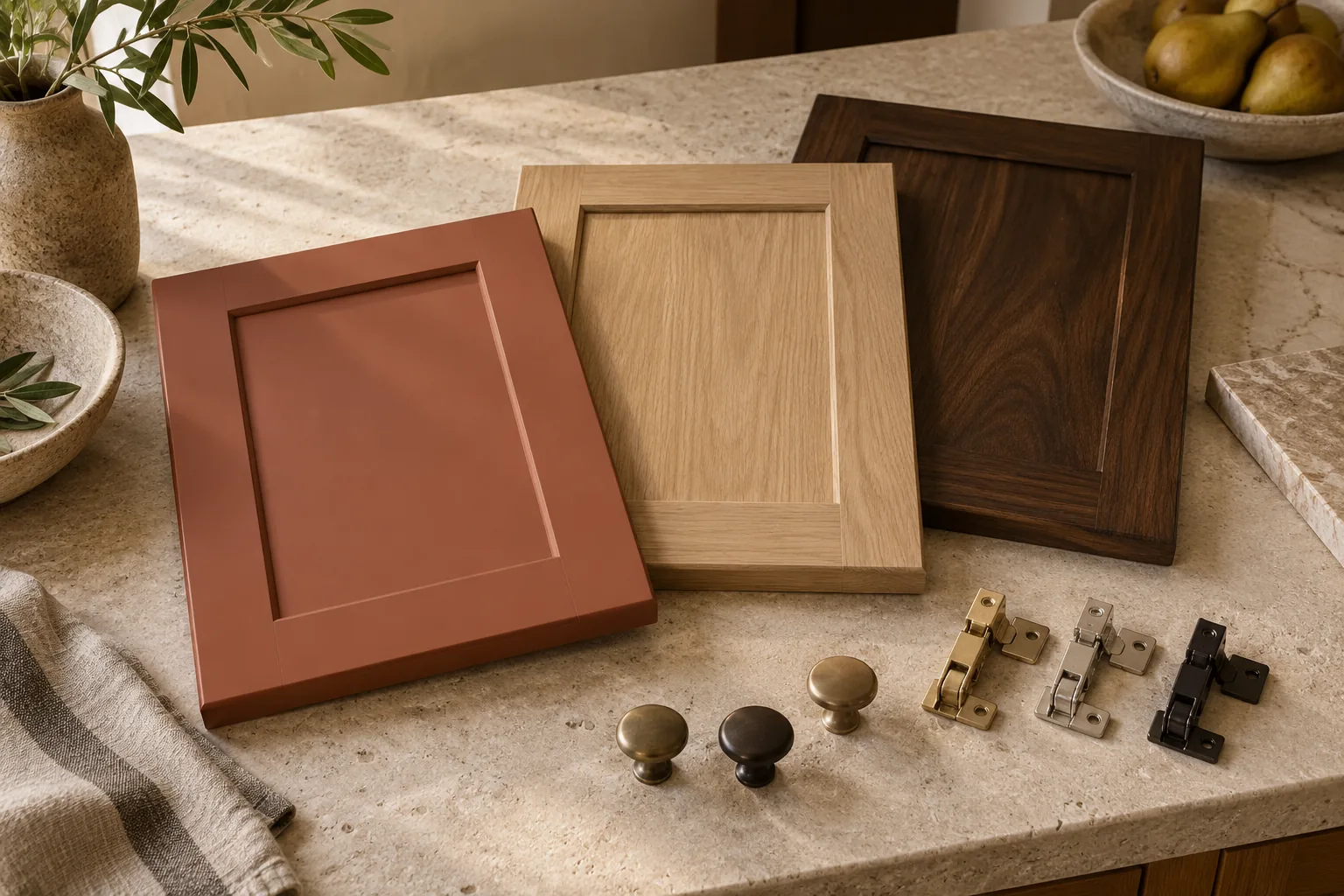
Compare cost for the goods and the verified route
Keep box quantities, configurations, finish and accessories identifiable in the offer. Ask for actual freight or pickup and any separately proposed carrying or assembly. If storage or another transfer is needed, obtain the responsible provider’s offered scope rather than treating it as part of a standard local delivery arrangement.
External installation, removal and property alterations require their own provider agreements. The FTC’s written-estimate guidance supports reading work and materials alongside price. It does not establish that a cabinet seller supplies those tasks or that a historic-area description determines their cost.
Preliminary estimates may change; the final written quote should define the offered price and inclusions for the chosen products and receiving version. In the hypothetical project, identify the task causing any difference between arrangements. An unpriced carry or holding period remains a budget question, not a benefit supplied automatically by a cabinet inquiry.
Preserve the route evidence through the order decision
Give the current route record a reference and keep the product dimensions used to investigate it. When the goods or handoff changes, revisit the affected points. A previous route answer should not be assumed to cover a different assembled configuration or receiving location.
Obtain the seller’s actual package list and discrepancy instructions for the accepted version. Name the purchaser and receiver, and make the relevant record available to the person checking receipt. Record observed issues factually without assuming a universal reporting deadline or remedy.
A useful Historic Ellicott City inquiry can state the intended storage change and the precise route question still needing an answer. Include the address and identify any broader work separately. Before an order, align the accepted drawing, product schedule and receiving terms. The purchasing record should explain the actual arrangements, rather than relying on either historical character or a plan to settle property-specific decisions.
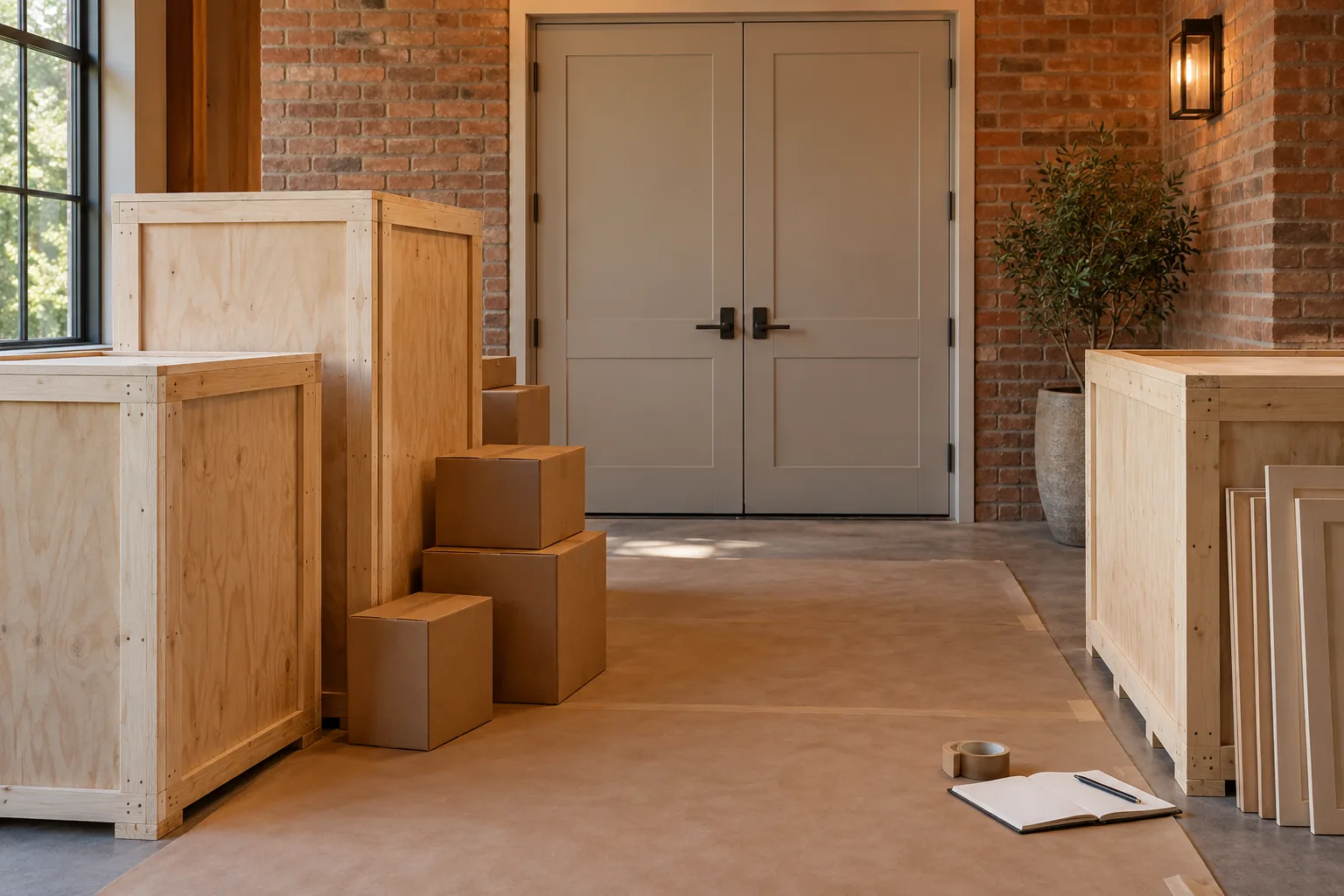
Buying topics
Purchase choices in Historic Ellicott City
Inquiry process
From buying questions to a possible supplier quote
Sending an inquiry does not reserve products or book work.
Describe the purchase
Include project ZIP, room, approximate cabinet list and preferred timing.
Clarify requirements
Identify assembly, access, measurements and any separately arranged labor.
Confirm referral availability
An inquiry can be referred only if a suitable seller accepts the location and product request.
Review seller terms
Confirm the final drawing, itemized price, payment, delivery and return terms directly before ordering.
Illustrative product choices
Illustrative product visualizations, not completed work, local properties or supplier facilities.
Local buying information
Other local buying guides
Questions
Historic Ellicott City Questions
Does the watershed plan establish flood exposure at my address?
It identifies community planning subjects and geography, not an individual property finding. Do not use it as evidence of the buyer’s room or receiving condition. Obtain address-specific information from the relevant source for any question affecting the proposed work or storage arrangement.
Which route features should I record for a cabinet purchase?
Identify the offered handoff and actual path to checking and holding space. Investigate relevant openings, turns, stairs or grade changes where they exist, using offered product dimensions. Name the responsible party who can confirm an uncertain point rather than assuming a restriction.
Can a selected cabinet style establish readiness for delivery?
Product selection does not confirm the receiver, accepted handoff or holding arrangement. Ask the seller for its actual terms and resolve the relevant property conditions. Keep shipment readiness distinct from the room and product decisions that have already been made.
When should I ask about approval requirements for broader work?
When the actual proposed project raises that question, take its address and scope to the appropriate authority or professional. Keep the answer separate from the cabinet goods and mark dependent dimensions provisional. No cabinet rule is established by this planning-context guide.
Talk to us about your project in Historic Ellicott City
Describe the purchase and project ZIP in Ellicott City. Supplier acceptance and any referral are confirmed separately; no visit or quote is booked by this form.
Calls only, we do not receive text messages.