
Historic Ellicott City · West Friendship
Cabinet Buying in Elkridge, MD
Bring your project details together before considering a cabinet purchase.
Send my cabinet inquiry
Or call (562) 203-3232. Calls only, we do not receive text messages.
An Elkridge cabinet inquiry should explain whether it describes a room as it exists now or a proposed future arrangement. Ellicott Cabinet Archive’s guide keeps the evidence for those stages distinct. The product list needs current references even when a project is discussed through a broader planning context or a future change.
- Independent buying guidance
- Product inquiries
- Seller availability confirmed separately
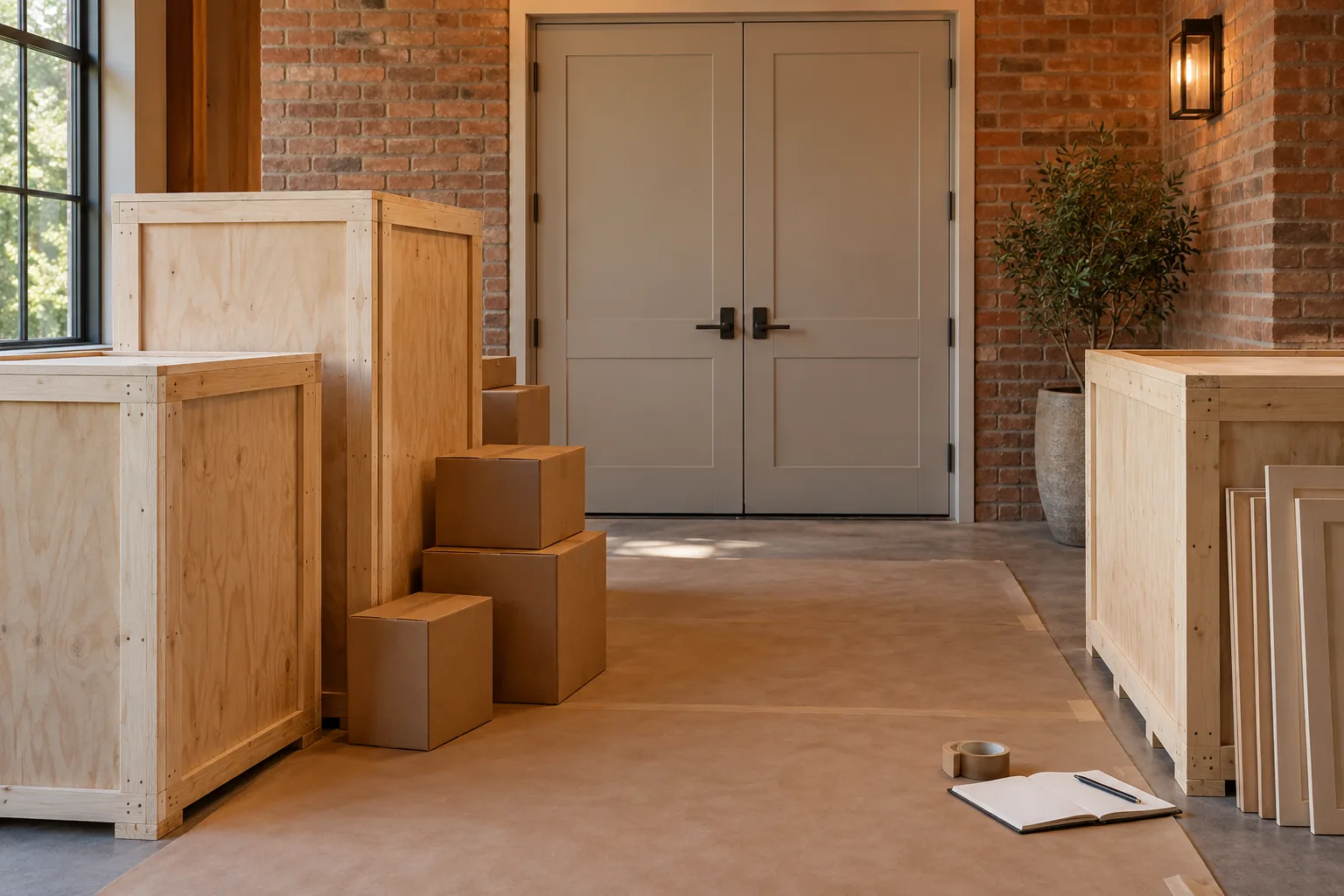
Cabinet purchase preparation in Elkridge
The Archive is an independent information resource. It records submitted details for the owner to review, without automatically sending them to sellers or promising a response. Use the stage record below to identify which measurements, drawings and receiving conditions can actually support the request you are preparing.
About Ellicott Cabinet Archive
Know who handles each part
Independent cabinet buying information and quote-request service. We do not manufacture, stock or install cabinets. A referral, supplier response, appointment or purchase is not guaranteed. Product availability, delivery and installation must be confirmed directly with the seller or separately engaged contractor.
Identify the stage behind the project description
Howard County’s HoCo By Design material discusses a Route 1 Corridor plan including a future civic district for South Elkridge, alongside historic preservation and growth at selected centers. Those planning statements do not classify an individual buyer’s room or establish its current condition.
State whether the purchase concerns an existing arrangement, a planned alteration or another future project stage. Describe the actual address and which record supports that description. Do not infer a property’s age, restrictions or completed facilities from the planning context.
For a hypothetical buyer exploring a future room layout while retaining access to the current one, keep both records identifiable. Product ideas can be investigated before every future condition is settled, but the offer must say which version it assumes. The locality source provides a reason to ask about stage and evidence, not permission to present a proposed room as already measured and complete.
For a current room, gather current observations
Label the existing walls, openings and relevant obstructions in a room sketch. Record retained appliances and their available dimensional information. Add photographs to show relationships, while marking preliminary measurements and concealed uncertainties rather than converting them into confirmed facts.
The supplied IKEA US planning guide supports preparing room measurements and retained appliance dimensions. Ask the responsible reviewer which inputs need final verification before an arrangement can support ordering. This information page does not perform the measure or certify a design.
In the hypothetical project, the current-room record can be valuable even if a different arrangement is being considered. It offers a reference for explaining what the future proposal changes. Keep the two distinct so a measurement of an existing opening is not silently attached to the dimensions of a proposed one, and a retained appliance record is not lost when product alternatives are discussed.
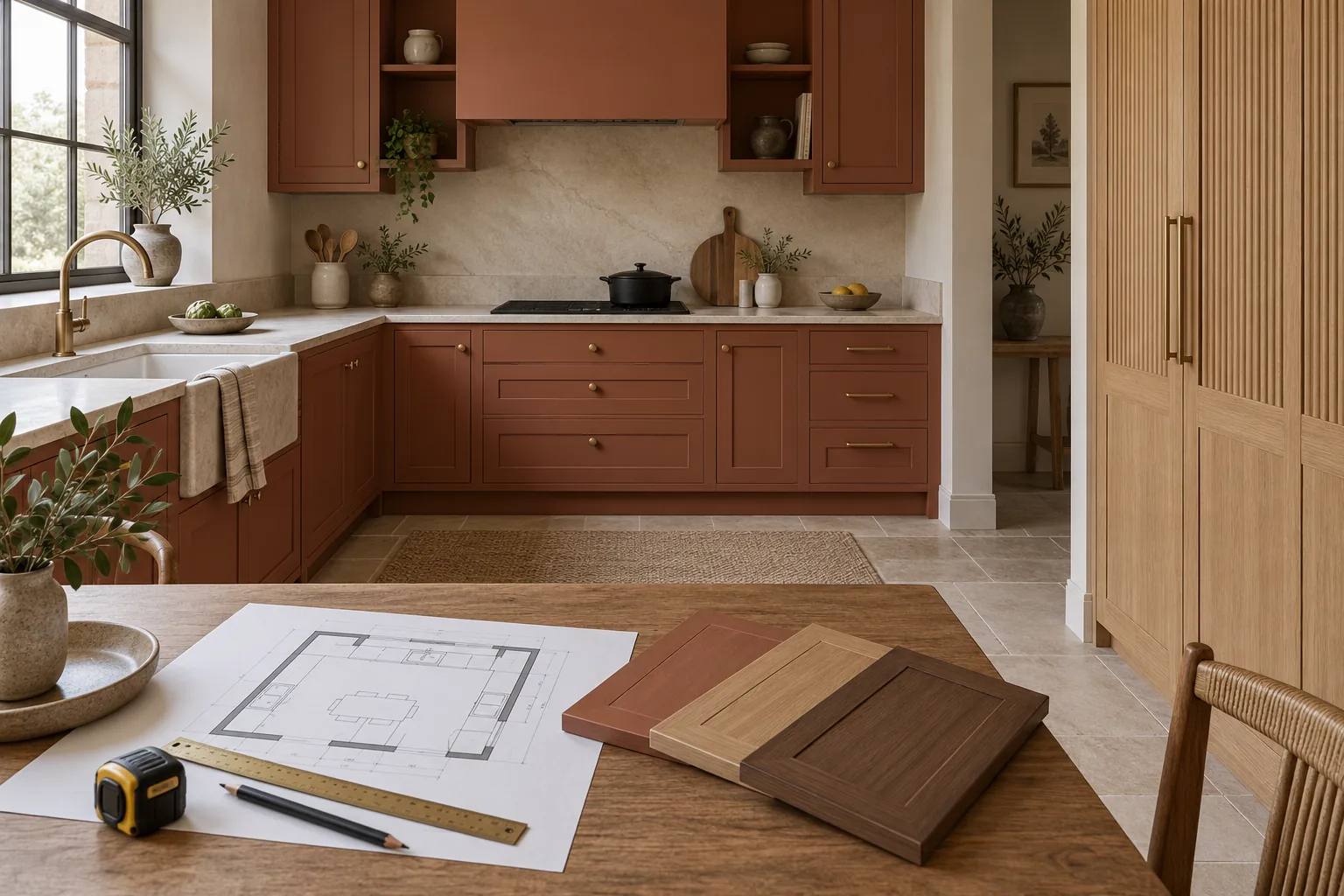
For a proposed room, identify the drawing and its authority
Obtain the current drawing reference and name who can confirm its version. Mark proposed conditions and any unresolved decision that affects cabinet positions. A drawing can be useful for preliminary comparison without being accepted as a final order instruction, provided its stage is clear.
Ask how a revision will be communicated to the purchaser and seller. A future project name can remain unchanged while openings, appliance selections or available runs change. The cabinet schedule should identify which drawing it answers so the goods do not follow an obsolete arrangement.
For the hypothetical buyer, an alternate room proposal might introduce a different opening while keeping the same storage priorities. Identify the affected cabinet rows and accompanying pieces. Ask the responsible party about final dimensions and any actual broader-work requirements. A county plan’s reference to future development cannot resolve those project-specific questions or establish that an individual room is ready.
Give receiving conditions their own current-stage record
Identify the proposed seller handoff and the present route to checking and storage. Ask the party controlling the property about relevant current instructions. Do not use a future facility or planned route as evidence of present receiving access without confirmation from the responsible source.
Obtain package or assembled-unit dimensions for the products being considered and relate them to the actual route. Name the receiver and any separate carrying provider. A product schedule based on a future arrangement does not automatically settle where goods can be received today.
In the hypothetical comparison, the buyer may wait for the final destination conditions or investigate a separate holding arrangement if the actual seller and providers will consider it. Keep both as options requiring terms. The guide does not promise storage, a shipment date or flexibility; it helps separate current receiving evidence from proposed room information.
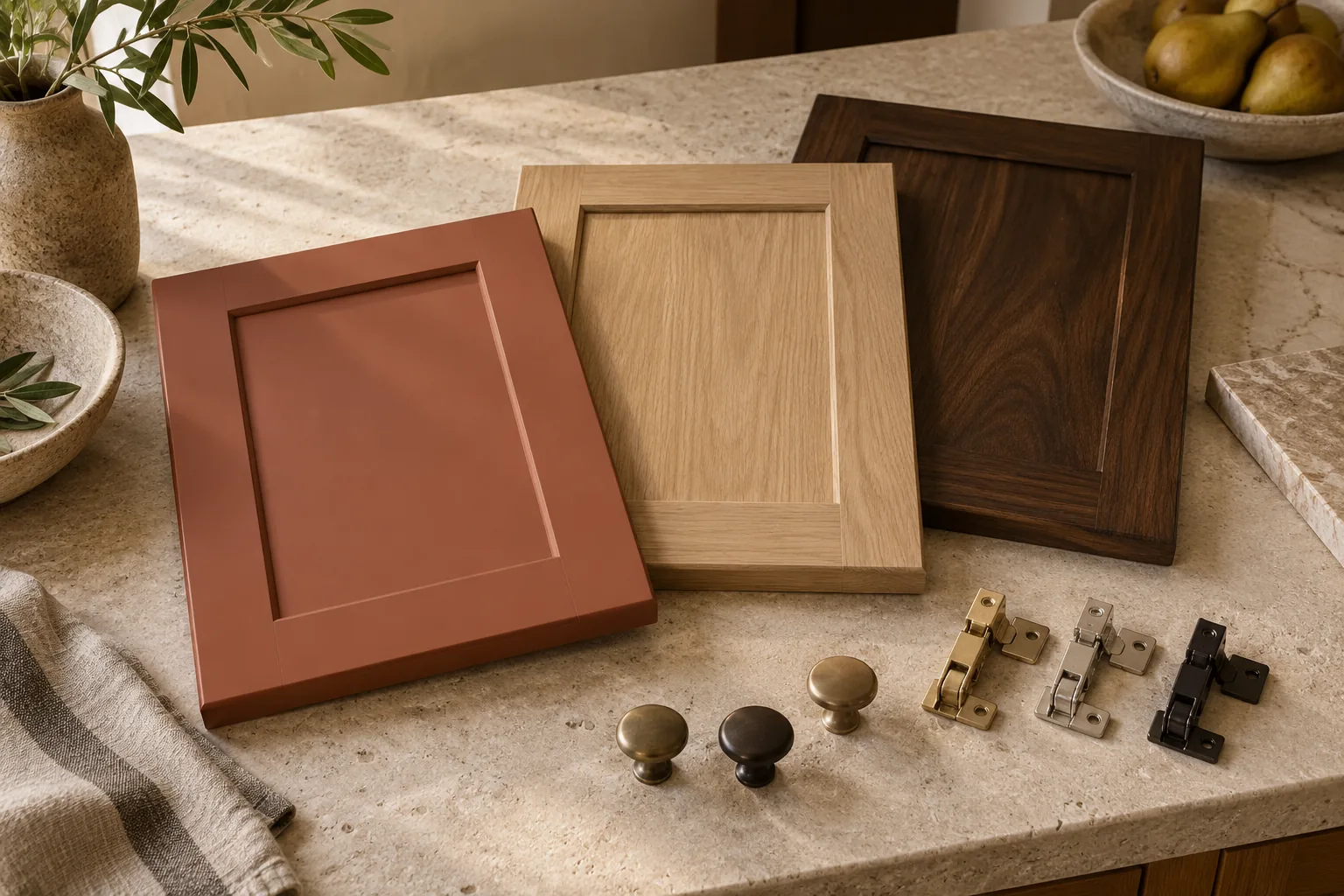
Compare cost using the same project stage
For each version, identify box quantities and configurations, finishes and accessories. Ask for actual freight or pickup and any assembly, carrying or storage scope. Make clear whether the proposed price answers the current-room record or a future drawing, because changed inputs may change the offered goods.
External installation and broader property work belong in their providers’ written agreements. The FTC’s guidance on home improvement estimates supports reading work and materials beside price. It does not establish that a product seller includes unfinished-project tasks or accepts a proposed destination.
Early estimates can change; the final written quote should set the offered price and inclusions for the accepted stage and version. In the hypothetical project, compare the changes between current and future arrangements openly. A total based on provisional inputs should not be treated as the final price for a later revised schedule without the seller’s actual updated offer.
Keep stage changes visible through final approval
Maintain a short record of the current drawing, product schedule and unresolved conditions. When a proposed feature is confirmed or changed, identify the affected goods and receiving decisions. Retain earlier versions as history while clearly naming the one under consideration for approval.
The purchaser should know who verified the room inputs and who accepted the product and handling terms. Obtain seller-specific receiving and discrepancy instructions for the actual offered goods. A receiver needs the selected version even if the project was first discussed through a different arrangement.
An Elkridge inquiry can explain its stage honestly and ask for the next evidence needed. It may concern a retained appliance, proposed opening or current handoff. Before ordering, align the confirmed drawing and accepted offer rather than relying on the broad development context. That gives the final purchase a clear basis without asserting a property age, completed facility, approval exemption or seller acceptance that has not been established.
Inquiry process
From buying questions to a possible supplier quote
Sending an inquiry does not reserve products or book work.
Describe the purchase
Include project ZIP, room, approximate cabinet list and preferred timing.
Clarify requirements
Identify assembly, access, measurements and any separately arranged labor.
Confirm referral availability
An inquiry can be referred only if a suitable seller accepts the location and product request.
Review seller terms
Confirm the final drawing, itemized price, payment, delivery and return terms directly before ordering.
Illustrative product choices
Illustrative product visualizations, not completed work, local properties or supplier facilities.
Local buying information
Other local buying guides
Questions
Elkridge Questions
Can a Route 1 planning statement establish my property’s project stage?
It describes broader planning context, not the condition of your room or destination. Identify the actual address and current or proposed arrangement using its own records. Keep future facilities and project inputs conditional until their responsible source confirms them.
What should a preliminary future-room drawing identify?
Give its current reference, responsible approver and unresolved inputs. Connect the product schedule to that version. If an opening or appliance changes, mark the affected rows so an earlier proposal is not mistaken for an offer based on the revised room.
Why keep the existing room record when considering an alteration?
It explains what the proposed arrangement changes and can support an alternative if that change is abandoned. Separate current observations from future assumptions so actual measurements do not become unsupported dimensions in a new version.
Can goods for a future room be received before the route is confirmed?
Investigate the actual seller’s terms and destination conditions before relying on that arrangement. A separate holding option needs its own acceptance, receiver and transfer agreement. Product selection alone does not establish readiness or a promised storage service.
Talk to us about your project in Elkridge
Describe the purchase and project ZIP in Ellicott City. Supplier acceptance and any referral are confirmed separately; no visit or quote is booked by this form.
Calls only, we do not receive text messages.