
Historic Ellicott City · Elkridge
Cabinet Buying in West Friendship, MD
Bring your project details together before considering a cabinet purchase.
Send my cabinet inquiry
Or call (562) 203-3232. Calls only, we do not receive text messages.
A West Friendship cabinet purchase should say who transports, unloads, carries and holds the goods. Ellicott Cabinet Archive’s guide keeps those tasks separate so a receiving proposal can be read against its actual responsibility. The property’s route and the seller’s offered handoff need confirmation even when the locality is described through rural county context.
- Independent buying guidance
- Product inquiries
- Seller availability confirmed separately
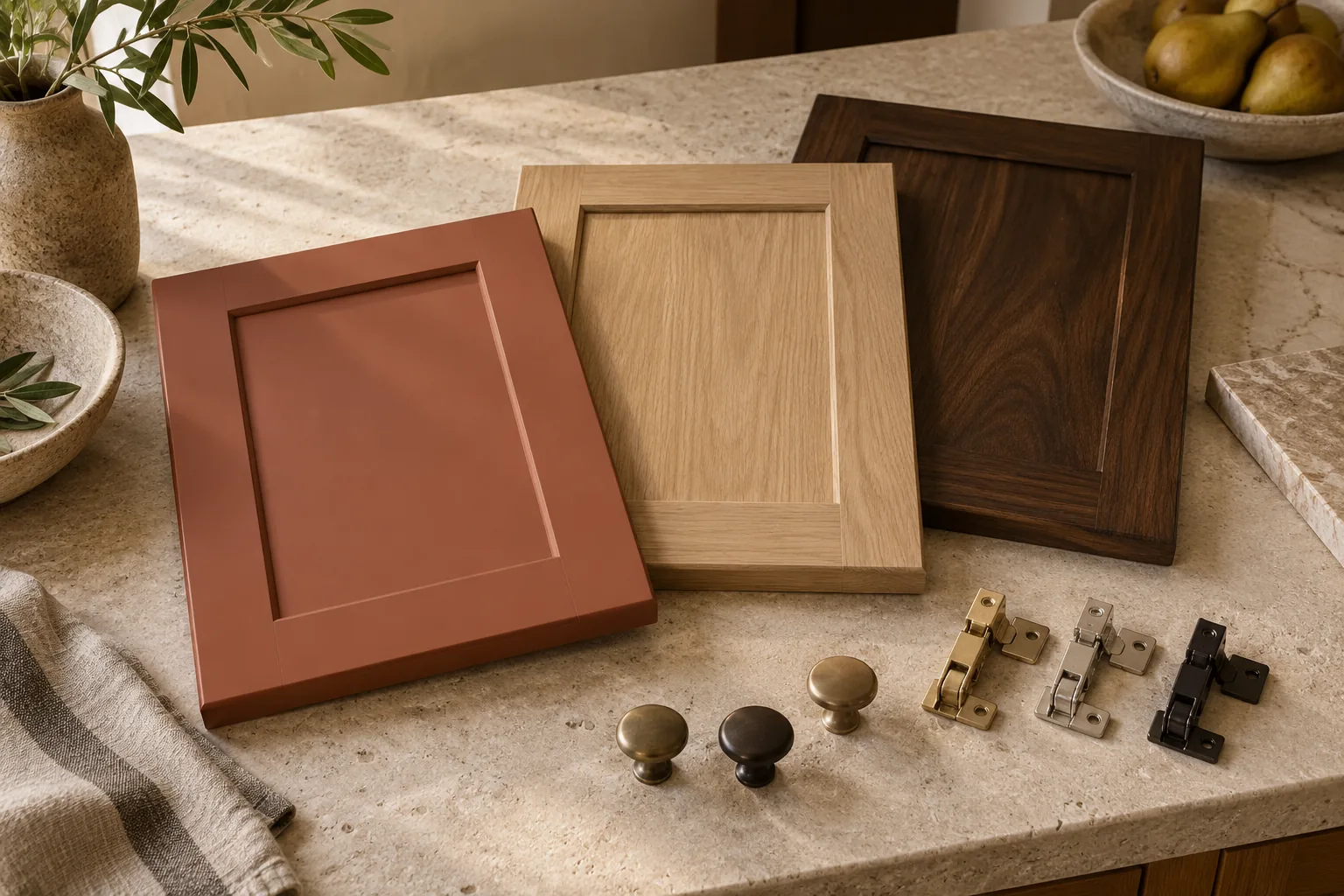
Cabinet purchase preparation in West Friendship
The Archive provides independent buying information. Form details are recorded for owner review with no automatic seller distribution or guaranteed reply. Use this guide to prepare an agreed task record for the real destination, rather than assuming that the place name settles how the cabinets will arrive.
About Ellicott Cabinet Archive
Know who handles each part
Independent cabinet buying information and quote-request service. We do not manufacture, stock or install cabinets. A referral, supplier response, appointment or purchase is not guaranteed. Product availability, delivery and installation must be confirmed directly with the seller or separately engaged contractor.
Use county context without assigning it to every property
Howard County’s supplied District 5 page includes West Friendship and describes much of rural western Howard County, emphasizing open-space and agricultural heritage. It does not describe the driveway, building or storage conditions of an individual cabinet buyer.
Record the actual address and ask who can confirm the proposed receiving point. The broad character of a district should not become a statement that transport or unloading is simple at every destination. A property-specific question requires the relevant seller, property contact or handling provider’s actual answer.
For a hypothetical purchaser who will be absent when goods arrive, begin by naming the intended receiver and what that person is authorized to do. The buyer can then investigate transport and onward movement without pretending one participant has already agreed to every task. This makes the locality context useful while keeping the purchase anchored to its own arrangements.
Compare seller transport with an actual pickup option
Ask the seller what freight or delivery offer it will consider for the address. If pickup is being considered, obtain the actual package or unit information and the seller’s pickup terms. Identify the transport arrangement and responsible provider rather than assuming the buyer can move unknown goods with an unspecified vehicle.
Keep the same product schedule in each comparison so a transport difference is not mixed with a product change. Ask whether accompanying pieces are supplied with the main units and how they will be identified. The receiver needs to know what is expected under the chosen arrangement.
In the hypothetical absent-purchaser project, transport to the address and receipt there can belong to different people. Record who coordinates the handoff and which contact should receive a question. The guide does not choose a truck or certify a route; it helps ensure an alternative transport arrangement has actual responsibilities and terms before it is treated as an available option.

Ask who performs unloading and onward movement
Define where the transport provider’s responsibility ends. Then name who unloads or moves the goods onward if those tasks are not included in the actual offer. A statement that someone receives the shipment does not establish that the person supplies carrying labor or approves a different handoff.
Investigate the actual path using offered package dimensions and relevant property observations. Identify any point needing confirmation and the party controlling it. Do not assume a long driveway, a level path or an unobstructed entrance from the county’s rural description.
For the hypothetical buyer, the receiver might check the list while another provider moves the goods. Give both the relevant references and their agreed task boundaries. Ask how observed issues are communicated to the purchaser or seller. A clear division of responsibility prevents transport, checking and carrying from being silently combined into a service no party has offered.
Give holding and checking their own place in the record
Identify where the goods will be checked and protected before use. Confirm the arrangement with the party controlling that space. Ask how packages remain identifiable until they are moved to their intended positions, especially when fronts, panels or accessories use separate references.
Obtain the actual seller’s instructions for completeness, visible damage and discrepancies. Ask what notes or photographs it wants, without inventing a standard reporting period or insurance result. The receiver’s observations should be tied to the expected shipment information and product version.
In the absent-purchaser example, clarify which matters the receiver can settle and which need the buyer’s approval. A storage arrangement does not give the receiver automatic authority to substitute products. Keep that distinction so a practical receiving decision does not inadvertently change the purchase while the purchaser is unavailable.
Compare cost by the task record
Use identifiable box quantities and configurations, finish and accessories in the goods comparison. Obtain freight or pickup terms, then show unloading, carrying, assembly or storage where those tasks apply. Each should have an actual provider or acknowledged buyer responsibility rather than being hidden inside a general delivery label.
External installation or related work needs its provider’s own written scope. The FTC’s guidance supports comparing home improvement estimates by materials, work and price. It does not establish that a cabinet seller includes labor or that a rural locality reduces its cost.
Preliminary estimates remain subject to change; the final written quote should name the offered price and inclusions for the accepted arrangement. In the transport-versus-pickup comparison, include the tasks left after each handoff. An unpriced transport or carry is an open budget question, not a confirmed saving supplied by choosing one label over another.
Confirm the task assignments before approving the purchase
Review the product schedule, transport offer, route record and holding arrangement together. Identify the purchaser, receiver and responsible providers. Confirm that each participant understands its task and the accepted version of the goods. A statement that someone will be present should not substitute for an actual assignment.
Keep the room measurements and retained appliance information with the final layout record. The supplied IKEA US planning guide supports collecting those inputs; it does not verify fit or supply field measurement. A receiving arrangement can be clear while the proposed goods still need dimensional approval.
An initial West Friendship inquiry can describe the intended room change and the specific transport or responsibility question. Before ordering, obtain the seller’s actual acceptance and terms. The final record should let a person unfamiliar with the discussions explain how goods reach checking and storage, without relying on a general rural-context assumption or a promised service from this information site.
Inquiry process
From buying questions to a possible supplier quote
Sending an inquiry does not reserve products or book work.
Describe the purchase
Include project ZIP, room, approximate cabinet list and preferred timing.
Clarify requirements
Identify assembly, access, measurements and any separately arranged labor.
Confirm referral availability
An inquiry can be referred only if a suitable seller accepts the location and product request.
Review seller terms
Confirm the final drawing, itemized price, payment, delivery and return terms directly before ordering.
Illustrative product choices
Illustrative product visualizations, not completed work, local properties or supplier facilities.
Local buying information
Other local buying guides
Questions
West Friendship Questions
Does rural county context prove a delivery truck can reach my receiving point?
It does not assess the actual property or seller route. Provide the address and proposed point, then obtain the relevant provider’s answer and property information. Avoid turning a district description into a statement about driveway or access conditions at the destination.
How should I compare pickup with seller transport?
Hold the goods identifiable and obtain actual terms for each option. Name who transports, unloads, receives and carries afterward. Include package information and the full set of assigned tasks so an unpriced responsibility is not mistaken for a saving.
Can the receiver decide on a product substitution?
Only if the purchaser has actually assigned that authority. Define checking and reporting separately from approving changed goods. Give the receiver the accepted references and identify which questions must return to the purchaser before the purchase is altered.
What should I confirm about space before goods are held there?
Identify who controls it and obtain agreement to the proposed checking and storage arrangement. Keep packages linked to the accepted schedule and clarify later movement. Do not infer available or suitable space from the broad character of the locality.
Talk to us about your project in West Friendship
Describe the purchase and project ZIP in Ellicott City. Supplier acceptance and any referral are confirmed separately; no visit or quote is booked by this form.
Calls only, we do not receive text messages.